
What Is CBD A Plain-Language Guide to the Basics
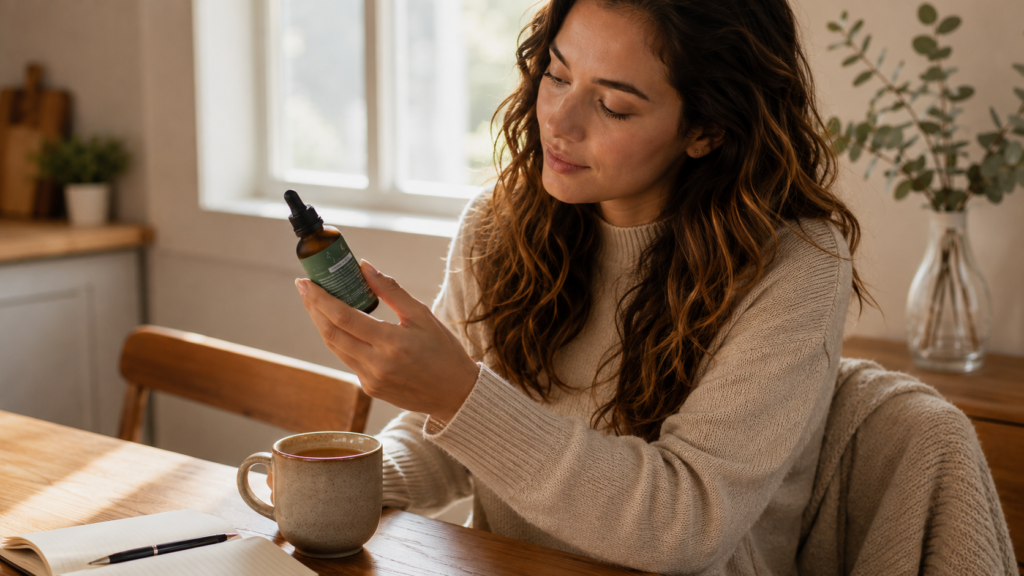
What Is CBD? A Plain-Language Guide to the Basics
Introduction
Somewhere between the wellness aisle and the internet, “CBD” became a word everyone uses but not everyone actually understands. Maybe a friend swears by it. Maybe you’ve seen it on a pet store shelf and wondered if it’s really meant for your dog. Maybe no one’s ever explained it to you in plain language.
If you’re asking yourself what is CBD, exactly, and whether it’s worth trying, you’re not alone. This guide covers CBD for beginners from the ground up: no jargon, no overwhelm, just a clear starting point.
Whether you’re curious for yourself or wondering if it makes sense for the four-legged member of your household, let’s start with the basics.
What It Is
CBD stands for cannabidiol. It’s one of over a hundred natural compounds found in the hemp plant.
Unlike THC, the compound known for producing a “high,” CBD is non-intoxicating. It doesn’t alter your headspace or change how you think, feel, or function. That distinction is a big part of why CBD has become such an approachable entry point into hemp-based wellness, and why so many beginners choose it as their first step.
So what is CBD, in the simplest terms? The CBD meaning comes down to this: a natural plant compound that many people build into their daily routine, without any of the effects associated with marijuana.
Why People Use It
People come to CBD for all kinds of reasons, but most share a common thread: they’re looking for a natural addition to their routine that supports everyday balance.
CBD is often used to help wind down after a long day, to support a sense of calm, or simply to build a small, intentional pause into an otherwise busy schedule. For some, it’s part of a nighttime routine. For others, it fits somewhere in the middle of a hectic day.
There’s no single “right” reason to try CBD. It tends to fit into a wellness routine wherever a person needs it most, which is exactly why it’s become such a popular starting point for CBD beginners.
Main Support Areas
CBD isn’t a cure-all and shouldn’t be treated as one, but it’s commonly used to support a few key areas of everyday wellness:
Calm and relaxation. Many people use CBD as part of a wind-down routine, especially in the evening.
Everyday balance. CBD is often folded into daily self-care as a small, consistent habit rather than a one-time fix.
Post-activity recovery. Some people reach for CBD, especially in topical form, after a workout or a physically demanding day.
Focus and grounding. A growing number of people use CBD earlier in the day as a way to feel more centered before a busy stretch.
These are common, everyday use cases, not guarantees. Everyone’s experience with CBD looks a little different.
Recommended Product Formats
If you’re new to CBD, the format you choose matters almost as much as the product itself. Here’s a simple breakdown built with beginners in mind:
- CBD Oil or Tinctures — placed under the tongue, easy to adjust dosage, good for beginners who want flexibility
- CBD Gummies — pre-measured, familiar, and easy to build into a daily habit
- CBD Capsules — no taste, simple and consistent, ideal for a set routine
- CBD Topicals — applied directly to the skin, often chosen for targeted, on-the-spot use
For most first-time users, oils or gummies tend to be the easiest, lowest-pressure way to start, which is why they’re often recommended as the best CBD for beginners.
How Is CBD Made? A Simple Explanation
Understanding how CBD is made helps take some of the mystery out of it.
It starts with hemp plants grown specifically for their natural compounds. Once harvested, the plant goes through an extraction process, most commonly using CO2, which pulls out CBD and other beneficial compounds while leaving behind everything that isn’t needed.
That extract is then tested, refined, and blended into the final product, whether that’s an oil, a gummy, or a topical cream. Every step in how CBD is made, from the plant itself to the extraction method, shapes the quality of what ends up in your hands.
Product Types
Once CBD is extracted, it’s typically categorized into one of three types:
Full-Spectrum CBD
Contains CBD along with other naturally occurring compounds from the hemp plant, including trace THC (under 0.3%). Often chosen for a more complete, whole-plant experience.
Broad-Spectrum CBD
Contains multiple hemp compounds, similar to full-spectrum, but with the THC removed entirely.
CBD Isolate
Pure CBD, with everything else stripped away. No other compounds, no THC.
Beginners often start with broad-spectrum or isolate, simply because there’s no THC involved at all.
Is CBD Safe for Dogs and Cats?
This is one of the most common questions we hear, and it deserves a straightforward answer.
CBD made specifically for pets does exist, and plenty of pet owners use it as part of their animal’s routine. That said, pet CBD isn’t the same as human CBD, and the two should never be used interchangeably. Dosing, formulation, and ingredient safety differ significantly between species.
Is CBD safe for dogs? Generally, yes, when it’s a product formulated specifically for dogs and used at an appropriate dose. Is CBD safe for cats? The same principle applies, with even more care given to a cat’s smaller size and different sensitivities.
If you’re considering CBD for a dog or cat, the most important step is choosing a product formulated specifically for pets and talking with your veterinarian first. What works well for a person isn’t automatically right for an animal, and a vet can help you figure out what actually makes sense for your pet’s size, breed, and health history.
What to Look for When Buying
A few habits make it much easier to shop with confidence, especially if you’re still learning the basics of CBD for beginners:
- Third-party lab testing. A Certificate of Analysis (COA) should confirm what’s actually in the product.
- Clear CBD content. Look for exact milligram amounts, not vague claims.
- U.S.-grown hemp. Domestic hemp is often held to stricter agricultural standards.
- Clean extraction methods. CO2 extraction is widely considered one of the safest, most controlled processes.
- Transparent ingredient lists. Especially important for gummies, capsules, and pet products.
If a label feels vague or overly generic, that’s usually a sign to keep looking.
Safety & Considerations
CBD is generally well tolerated, but a few things are worth keeping in mind before you start.
Everyone responds a little differently, so starting with a lower dose and adjusting slowly is a smart approach, especially for beginners. If you’re taking any medications, checking with your doctor first is a good habit, since CBD can interact with certain prescriptions.
Pregnant or nursing individuals should also speak with a healthcare provider before use. And as covered above, CBD made for people should never be given to pets. If you’re weighing whether CBD is safe for dogs or cats specifically, your veterinarian is always the best resource.
Used thoughtfully, CBD can be a genuinely helpful part of a well-rounded routine.
Final Thoughts
CBD doesn’t have to feel complicated. At its core, it’s a natural plant compound that many people use to support everyday balance, without any of the effects tied to THC.
Whether you’re just starting to explore CBD for beginners or considering a pet-safe option for your dog or cat, the same principle applies: start simple, choose quality, and give yourself room to learn what actually works for you.
Ready to Try CBD for Yourself?
Ready to start your CBD journey? Explore iSiGude’s collection of lab-tested oils, gummies, and topicals, made with clarity and quality in mind.
FAQ
What is CBD, in simple terms?
CBD, or cannabidiol, is a natural, non-intoxicating compound found in the hemp plant, often used to support everyday wellness.
What does CBD meaning actually refer to?
CBD is short for cannabidiol, a compound naturally found in hemp that doesn’t produce a high or intoxicating effect.
Does CBD get you high?
No. CBD is non-intoxicating and does not produce the “high” associated with THC or marijuana.
Is CBD safe for dogs?
Pet-specific CBD products exist and are used by many pet owners, but they’re formulated differently from human CBD. Always choose a product made specifically for pets and consult your veterinarian first.
Is CBD safe for cats?
As with dogs, CBD made for cats is different from human CBD. A vet can help determine if it’s appropriate and how to use it safely.
How is CBD made?
CBD is extracted from hemp plants, most commonly using a CO2 extraction method, then tested and formulated into oils, gummies, capsules, or topicals.
What’s the best CBD for beginners?
CBD oils and gummies are typically the easiest starting points for beginners, since dosing is simple and straightforward.
Sources & Further Reading
- U.S. Food & Drug Administration, CBD overview
- National Center for Complementary and Integrative Health, cannabis and cannabinoids
- American Veterinary Medical Association, CBD and pets
Disclaimer
This article is for educational purposes only and is not intended as medical or veterinary advice. CBD products are not intended to diagnose, treat, cure, or prevent any disease. Please consult a healthcare provider before starting any new supplement, especially if you are pregnant, nursing, or taking medication, and consult a veterinarian before giving any CBD product to a pet.